Table of Contents
- Why Local Haulers Beat National Chains for Speed and Flexibility
- Junk Removal Cost Estimates: What Local Haulers Actually Charge
- What Items Do Junk Haulers Take? A Local Hauler’s Guide
- How to Choose a Junk Removal Company: A Vetting Checklist
- Eco-Friendly Disposal: How Local Haulers Reduce Landfill Waste
- Post-Service Dispute Resolution: What to Do If Something Goes Wrong
- Frequently Asked Questions
Last Updated: September 23, 2026
Why Local Haulers Beat National Chains for Speed and Flexibility
Hiring local haulers means working with a junk removal crew that already knows your streets, your scheduling quirks, and the fastest route to the transfer station. That local knowledge translates directly into faster arrivals and more flexible booking windows.
Same-Day Service and Scheduling That Works Around You
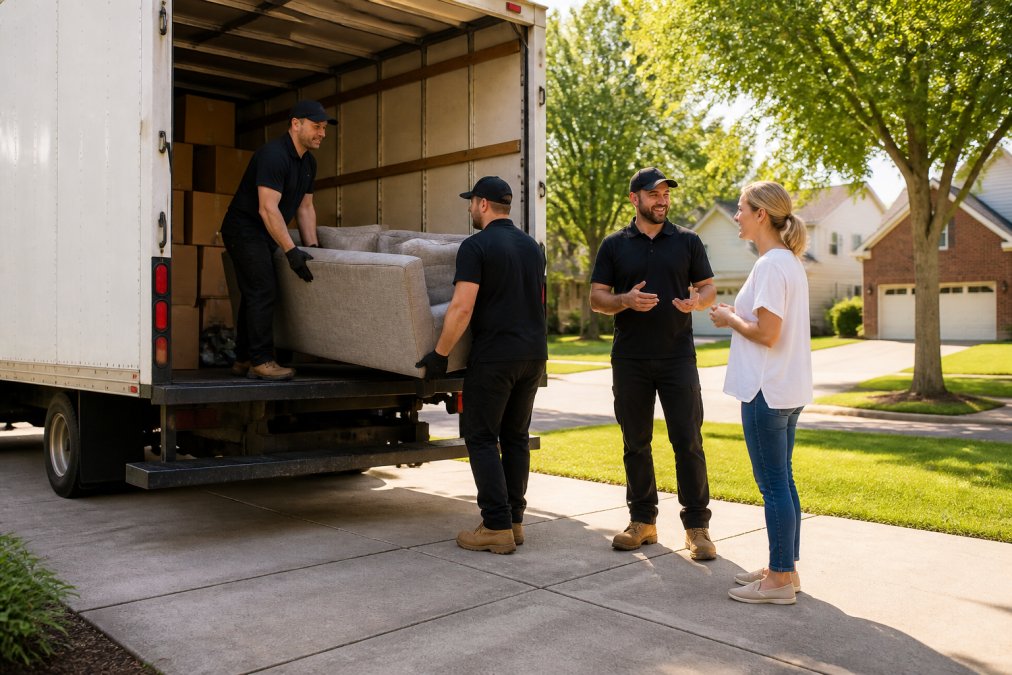
Same-day availability is one of the clearest benefits of hiring local haulers. Many local junk removal companies, including Hoosier Junk Daddy, offer same-day service when the schedule allows, which matters when a closing date or tenant turnover is looming.
Neighborhood Knowledge Means Fewer Surprises
A hauler who works your area daily knows which streets a box truck can’t navigate, where alley access is tight, and which complexes require gate codes. That familiarity cuts down on arrival delays and awkward driveway damage.
Junk Removal Cost Estimates: What Local Haulers Actually Charge
Junk removal cost estimates from local haulers are usually based on volume, weight, and labor, not a flat national rate card. That structure is why two quotes for the same pile can look different, and why an on-site estimate beats a phone guess every time.
How Local Haulers Price Jobs (and Why It Varies)
Most local haulers price by how much space your items take up in the truck, similar to how moving companies price a move. A single mattress takes less room than a garage cleanout, so the two jobs land at different price points. Crews typically think in fractions of the truck bed: a quarter load, a half load, a full load.
- Construction and demolition debris is often billed at a higher per-ton tipping fee than household trash because facilities sort it differently.
- Tires usually carry a separate per-tire disposal fee set by the state or the receiving facility, and some jurisdictions restrict who can accept them at all.
- Mattresses and box springs are frequently surcharged because many facilities now require them to be deconstructed or sent to a dedicated recycler.
- Refrigerators, freezers, and air conditioners contain refrigerants that must be recovered before disposal under federal rules, so crews add a handling charge.
- E-waste such as televisions and monitors often goes to a certified electronics recycler rather than a landfill, which carries its own per-unit cost.
| Pricing Factor | What Drives the Number | Why It Matters to You |
|---|---|---|
| Truck volume | How much space your items fill | The most common pricing method |
| Weight | Disposal fees charged by weight | Heavy debris costs more to dump |
| Labor time | Stairs, tight access, disassembly | Second-floor walkups take longer |
| Item type | Special handling requirements | Appliances and e-waste need extra steps |
| Disposal route | Landfill vs. recycler vs. donation center | Diversion can lower or raise the total |
Free On-Site Estimates: No Surprises, No Hidden Fees
A free on-site estimate is the single best way to avoid a surprise bill. The crew sees the actual pile, confirms what can and can’t be taken, and quotes a number before any lifting starts. The estimate should spell out three things: the total price, what is included (loading, cleanup, disposal fees), and what would change the price (added items, blocked access, hazardous materials discovered on site).
Photograph your pile from two angles before the estimate. Crews can size up a job faster, and you have a record of what was quoted if the scope changes on arrival.
What Actually Moves the Price Up or Down
Three levers control most of the final number, and knowing them lets you plan:
- Access. A pile at the curb takes minutes to load. The same pile behind a locked gate, up a flight of stairs, or at the back of a cluttered garage can double labor time.
- Separation. If you pre-sort recyclables, metals, and e-waste from general trash, some crews will pass along a lower disposal cost because they can route each stream to the cheapest destination.
- Timing. Same-day and weekend slots often carry a premium because the crew is reshuffling its route. Booking a few days out usually lands a lower rate.
Never hire a crew that quotes a price from a photo and refuses to confirm it on site. That gap is where surprise charges appear after the truck is already loaded.
What Items Do Junk Haulers Take? A Local Hauler’s Guide
What items do junk haulers take? Most local crews accept furniture, appliances, mattresses, electronics, yard waste, and general household clutter. What they can’t take is narrower than most people expect, and it mostly comes down to hazardous materials and a few regulated items.
Items Local Haulers Accept (and What They Can’t)
Common accepted items include:
- Sofas, recliners, mattresses, and box springs
- Refrigerators, washers, dryers, and water heaters
- Televisions, computers, and other e-waste
- Garage clutter, boxes, and bagged trash
- Yard debris, branches, and fencing
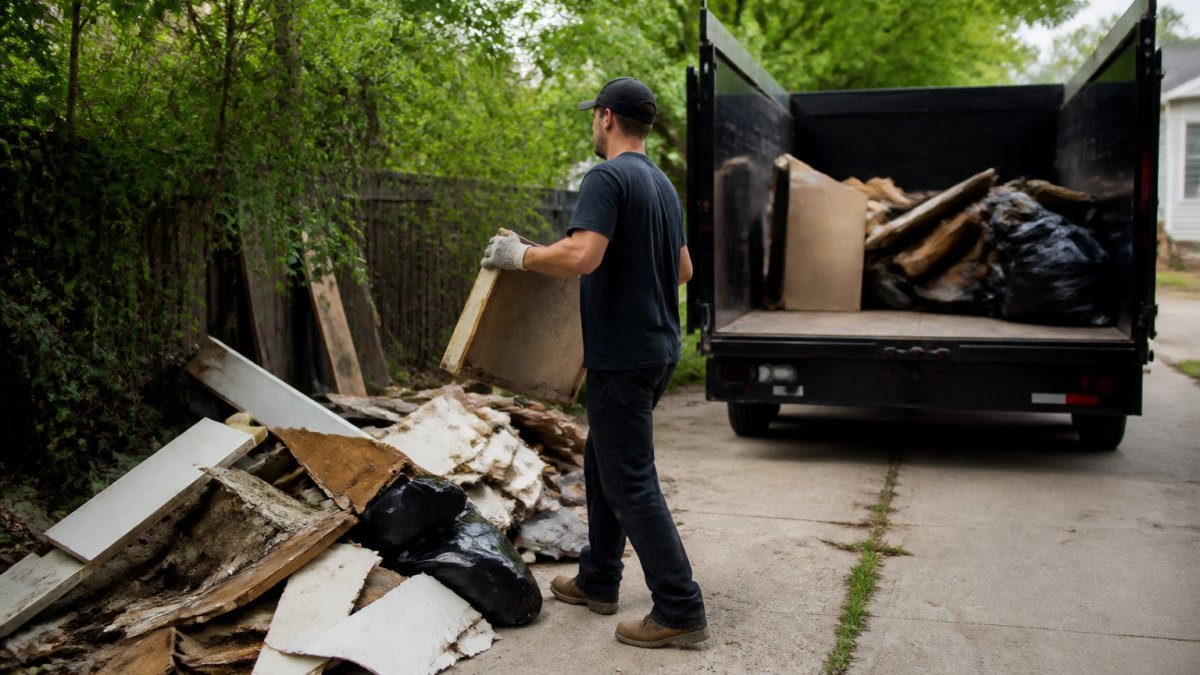
- Construction and renovation debris
Items most crews decline:
- Wet paint, solvents, and motor oil
- Asbestos and lead-based materials
- Medical waste and sharps
- Ammunition and explosives
- Tires in some jurisdictions, depending on local disposal rules
Special Handling for Hazardous Materials and E-Waste
Household hazardous waste needs a different disposal path than a couch. Paint cans, batteries, and fluorescent bulbs usually go to a municipal household hazardous waste collection site rather than a landfill, and many local haulers will tell you exactly where that is.
How to Choose a Junk Removal Company: A Vetting Checklist
Choosing a junk removal company comes down to proof: proof of insurance, proof of disposal practices, and proof that the quote you got is the price you’ll pay. Run every candidate through the same checklist before you book.
- Ask for a certificate of insurance covering liability and workers’ compensation
- Confirm the company holds any local business license your city requires
- Request a free on-site estimate rather than a phone-only quote
- Ask where items go: recycling, donation, or landfill, and in what proportion
- Read recent reviews for complaints about arrival windows or final pricing
- Get the total price in writing before work begins
- Confirm whether the crew does full cleanup after loading
- Ask how the company handles damage to driveways, walls, or doorframes
Eco-Friendly Disposal: How Local Haulers Reduce Landfill Waste
Eco-friendly disposal starts with sorting, not hauling. A local crew that separates reusable furniture, metals, and electronics before the dump run keeps a meaningful share of your junk out of the landfill. This is the angle most hauling content skips entirely, and it is where a local operator can show its work.
The Sorting Chain: What Happens After the Truck Leaves
A typical diversion-friendly load passes through four destinations, in rough order of value:
- Donation. Furniture, appliances, and household goods in working condition go to charities, thrift stores, or furniture banks. Many will pick up directly from the hauler’s yard, which is why an operator with standing relationships can move items faster than a one-off customer can.
- Metal recycling. Scrap steel, aluminum, copper wiring, and appliances are sold to a scrap yard by weight. Metal has real resale value, so crews have a financial incentive to separate it rather than dump it.
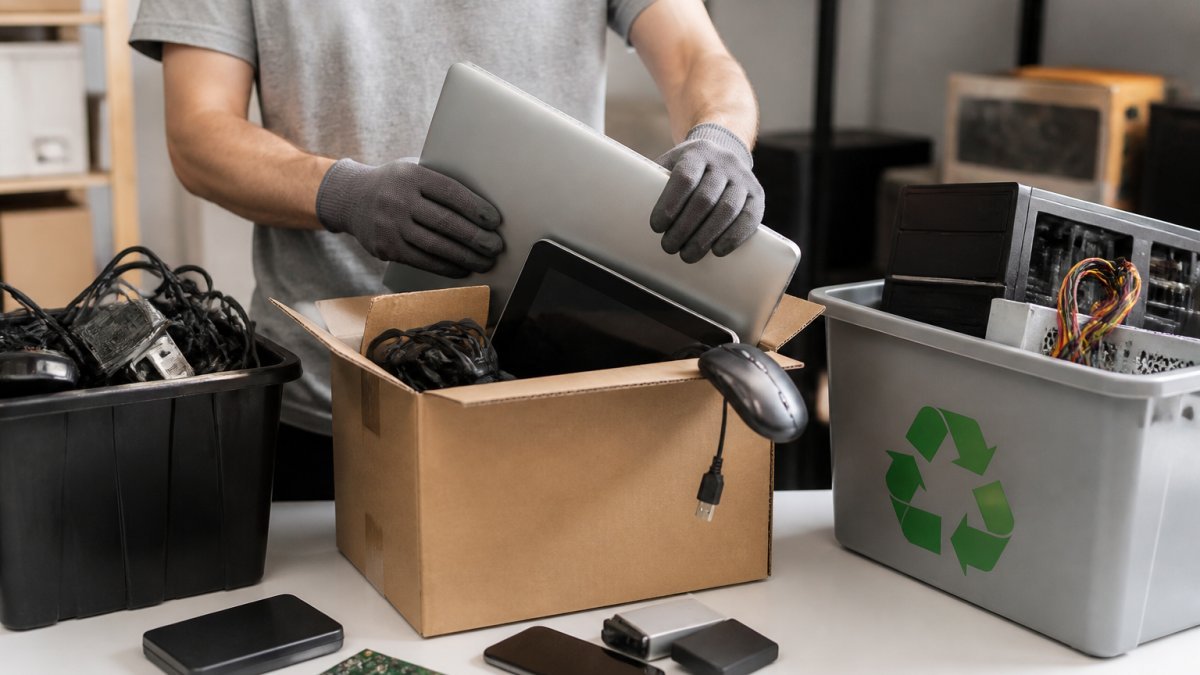
- Electronics recycling. Televisions, monitors, computers, and small appliances go to a certified e-waste recycler. Many states restrict landfill disposal of certain electronics, so this step is often required, not optional.
- Landfill or transfer station. Whatever is left, bagged trash, non-recyclable plastics, treated wood, goes to the landfill. The goal is to shrink this pile, not eliminate it.
The Emissions Math: Short Trips vs. Long Hauls
Local hauling also cuts the environmental cost of the job itself. A truck making a short trip to a nearby facility burns far less fuel than a long-haul route to a regional landfill, and shorter routes mean fewer emissions per ton of material moved. The effect compounds: a local crew can make several short trips in the time a long-haul truck spends on one, so the same tonnage moves with less total fuel.
How to Verify a Hauler’s Environmental Claims
“Green” is easy to print on a truck. Ask for specifics:
- What percentage of loads is diverted from the landfill, and how is that tracked?
- Which donation partners and recycling facilities does the crew use?
- Are electronics sent to a certified recycler, and which certification?
- Does the company provide a donation receipt for tax purposes?
Diversion is not a marketing line, it is a chain of decisions made at the truck, at the yard, and at the facility. A local hauler with standing relationships at donation centers and scrap yards can move items through that chain faster and cheaper than a national chain routing everything to one regional landfill.
Post-Service Dispute Resolution: What to Do If Something Goes Wrong
Post-service disputes are rare with a vetted local hauler, but they happen. A scratched doorframe, a final price that doesn’t match the quote, or a missed item left behind are the most common complaints.
Handle it in this order:
- Contact the company the same day, in writing, with photos
- Reference the original written estimate and point out the specific gap
- Ask for a clear resolution: repair, refund, or return pickup
- If the company won’t respond, file a complaint with your state consumer protection office
FTC consumer complaint guidance
Frequently Asked Questions
What are the benefits of hiring local junk removal services?
Local haulers offer faster response times, often with same-day service, because they operate in your area. They know local regulations and disposal sites, which reduces delays. You also get personalized service from a team that lives in your community, and many local companies prioritize eco-friendly disposal, diverting up to 60% of items from landfills through recycling and donation.
How do local haulers differ from national junk removal franchises?
Local haulers are typically independently owned, so they can make quick decisions and offer flexible scheduling. National franchises follow corporate protocols that may slow down service. Local companies often provide free on-site estimates and transparent pricing, while franchises might use call centers. Additionally, local haulers have deep neighborhood knowledge, avoiding delays from unfamiliar streets or local permit rules.
What should I look for when hiring a local hauling company?
Check for proper licensing and insurance to protect against liability. Ask about disposal methods and whether they recycle or donate. Look for transparent pricing with free on-site estimates. Read reviews for reliability and customer service. A good local hauler will provide a written quote, explain what items they take, and offer flexible scheduling. Avoid companies that demand cash upfront or can’t verify their disposal practices.
Are local haulers more cost-effective for residential cleanouts?
Local haulers often cost less because they have lower overhead than national chains. They provide free on-site estimates, so you know the price before work begins. For residential cleanouts, they can often same-day service and may offer discounts for larger jobs. Pricing depends on volume, item type, and location, but local competition helps keep rates competitive. Always get a written quote to compare.
Junk removal gets complicated fast when a closing date, a tenant turnover, or a full estate cleanout is on the line. Hoosier Junk Daddy handles the heavy lifting, the sorting, and the disposal so you don’t have to coordinate any of it, with free on-site estimates, transparent pricing, and eco-friendly practices that divert up to 60% of hauled items from landfills. Get started with Hoosier Junk Daddy and reclaim your space without the guesswork.