Last Updated: November 1, 2026
Quick Summary
Yes, you can sell a house with junk inside, usually to cash buyers or investors who take homes as-is. Expect fewer buyers and lower offers than a cleared home, and remember that disclosure rules still apply to known problems.
- Traditional buyers usually expect an empty, clean home, so junk often means a price cut or a failed deal.
- Compare net proceeds after cleanout, repairs, closing costs, concessions and holding costs, not headline offers.
- Get at least three written cleanout quotes on the identical scope to compare them fairly.
- Sellers generally must disclose known defects even when the house is sold as-is.
- Put in writing whether leftover items convey with the property or must be removed before closing.
Table of Contents
- What Selling a House As-Is Means When Junk Is Inside
- Can You Sell a House With Junk or Belongings Inside?
- Pros and Cons of Selling With Junk Left in the Home
- Selling to Cash Buyers, Investors, or Traditional Buyers
- How to Get Rid of Stuff Before Selling a House: Cleanout Costs vs. Net Proceeds
- Selling a Hoarder House: Disclosure, Safety, and Hazardous Materials
- House Cleanout Before Selling: Step-by-Step Checklist and Timeline
- Booking Your Junk Removal Before You List Your Home
- Frequently Asked Questions
What Selling a House As-Is Means When Junk Is Inside
Yes, you can sell a house with junk inside. Most buyers, cash investors and some agents will take a home in its current condition, clutter and all.
The catch is price. A home full of junk usually draws fewer buyers and lower offers.
Selling as-is still has real obligations. Sellers generally must disclose known defects, even when the house is sold as-is.
Can You Sell a House With Junk or Belongings Inside?
Yes. Plenty of homes sell with furniture, boxes and personal belongings still inside. The real question is who will buy it and at what price.
Here is how the options usually break down:
- Traditional buyers: They expect an empty, clean home. Junk often means a price cut or a failed deal.
- Cash buyers and investors: They often buy as-is and handle cleanout themselves.
- Buyers of fixer-uppers: They may factor cleanout costs into their offer.
Clearing out the home first generally widens the pool of buyers. If you cannot, expect a smaller buyer pool and a lower offer.
Pros and Cons of Selling With Junk Left in the Home
Selling with junk still inside has clear trade-offs.
Pros:
- You skip the work and cost of cleanout before listing.
- Sale can move faster with a cash buyer.
- You avoid hauling items you might not need to move.
Cons:
- Fewer traditional buyers will consider the home.
- Offers tend to come in lower.
- Buyer financing can stall if the property fails an appraisal.
For most sellers, the choice comes down to whether the price gap is larger than the cleanout cost.
Selling to Cash Buyers, Investors, or Traditional Buyers
Each buyer type has different rules. Know them before you sign anything.
Cash buyers and investors move quickly. They often buy as-is and skip the bank.
Traditional buyers need a mortgage. Lenders and appraisers want a clean, safe home. Junk can cause a low appraisal or a lender refusal.
Compare at least three offers. Ask each buyer what they expect to pay for cleanout and repairs.
How to Get Rid of Stuff Before Selling a House: Cleanout Costs vs. Net Proceeds
Most sellers compare a cluttered as-is offer to a clean-home list price and stop there. That comparison is incomplete. The number that matters is net proceeds: what you actually walk away with after cleanout, repairs, closing costs, concessions, and holding costs. A higher headline offer can lose to a lower cash offer once those line items are counted.
Build a net-proceeds worksheet
Use the same five-line worksheet for every option so the comparison is apples to apples:
- Gross sale price, the offer or expected list price.
- Cleanout and hauling, labor, dumpster or truck fees, disposal fees, and any special handling.
- Repairs and prep, only the items a buyer or lender will require, not cosmetic upgrades.
- Closing costs and concessions, seller-side closing costs plus any credit you agree to give the buyer.
- Holding costs, mortgage, taxes, insurance, and utilities for each additional month the home sits.
Subtract lines 2 through 5 from line 1. The result is your net. Run it for (a) sell as-is with junk, (b) clean out and list traditionally, and (c) clean out partially and sell as-is. The option with the highest net, not the highest price, is the one to pursue.
Realistic cleanout cost drivers
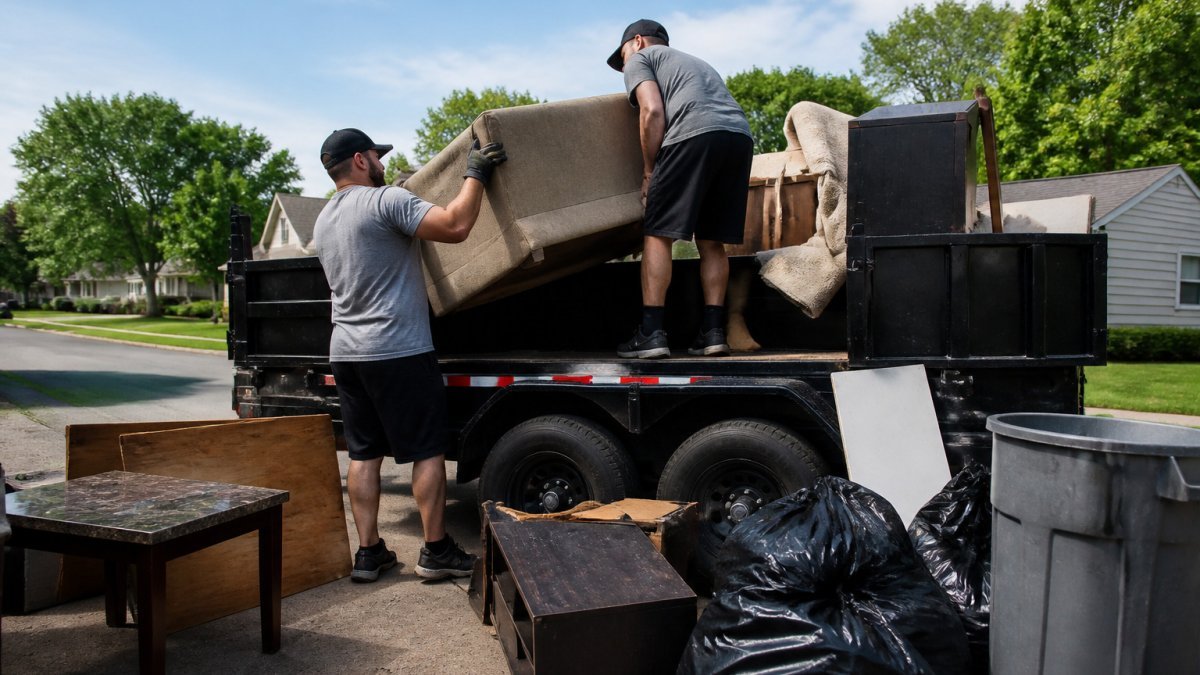
Cleanout pricing is driven by volume, access, and disposal type, not by square footage alone. A single-car garage of household goods is a very different job from a four-bedroom home packed floor to ceiling. Ask every provider to quote on the same scope in writing so you can compare:
- Volume, how many truckloads or cubic yards the job will take.
- Access, stairs, narrow driveways, long carries, and whether a dumpster can be placed on-site.
- Disposal type, ordinary trash versus appliances, electronics, tires, paint, and other items with separate fees.
Get at least three written quotes on the identical scope. A quote that excludes disposal fees or stair carries is not comparable to one that includes them.
The donate-and-sell offset
Cleanout is not purely a cost. Usable furniture, tools, and household goods can be donated for a receipt or sold through an estate sale, and some junk removal providers route a share of haul-away items to donation or recycling instead of the landfill. Ask each provider what percentage they divert and whether they provide a donation receipt. That offset belongs on line 2 of your worksheet as a credit.
Compare offers on net, not headline
When you line up a cash offer against a traditional sale, ask each buyer two questions in writing: what cleanout and repairs they expect, and whether those costs are already reflected in the offer. A cash offer that already absorbs cleanout and repair risk can beat a higher traditional offer once you subtract cleanout, prep, concessions, and two or three months of holding costs. For a realistic price range, see the professional junk removal pricing guide. You can also see what a free on-site estimate involves before you commit.
Selling a Hoarder House: Disclosure, Safety, and Hazardous Materials
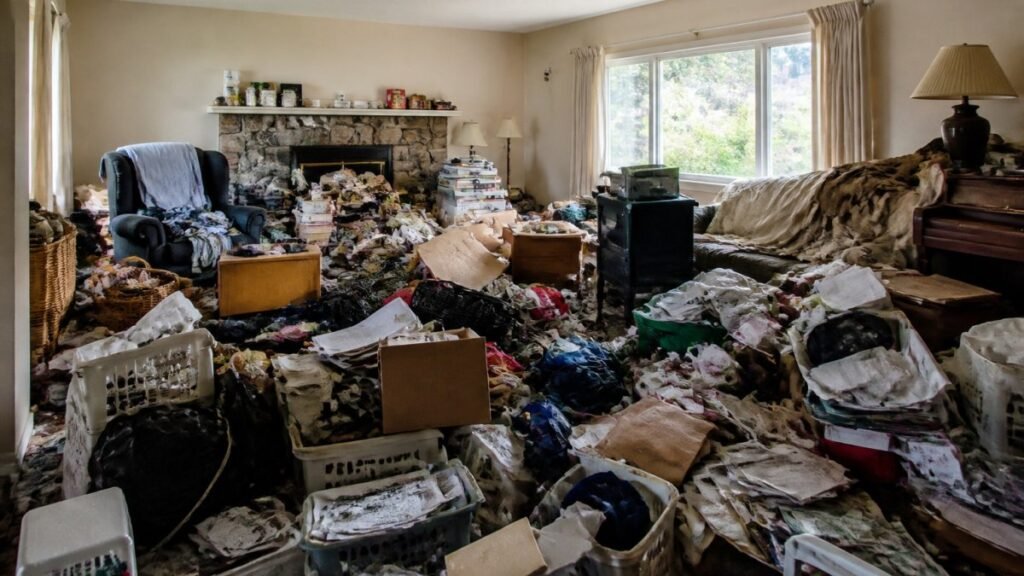
A hoarder house is not just a bigger cleanout. Severe clutter can hide structural damage, pest infestations, mold, and fire hazards, and it can contain materials that cannot go in a regular dumpster. Treat it as a separate category from ordinary household junk, because the sale route, the disclosure obligations, and the disposal plan all change.
A decision framework by type of junk
Match the condition of the home to the right next step:
- Ordinary furniture and household goods, boxes, old furniture, clothing, kitchenware. A standard cleanout and an as-is or traditional sale both work. Get cleanout quotes and compare net proceeds.
- Appliances, electronics, tires, and yard equipment, recyclable or regulated in many areas. Confirm the provider’s e-waste and appliance handling before booking.
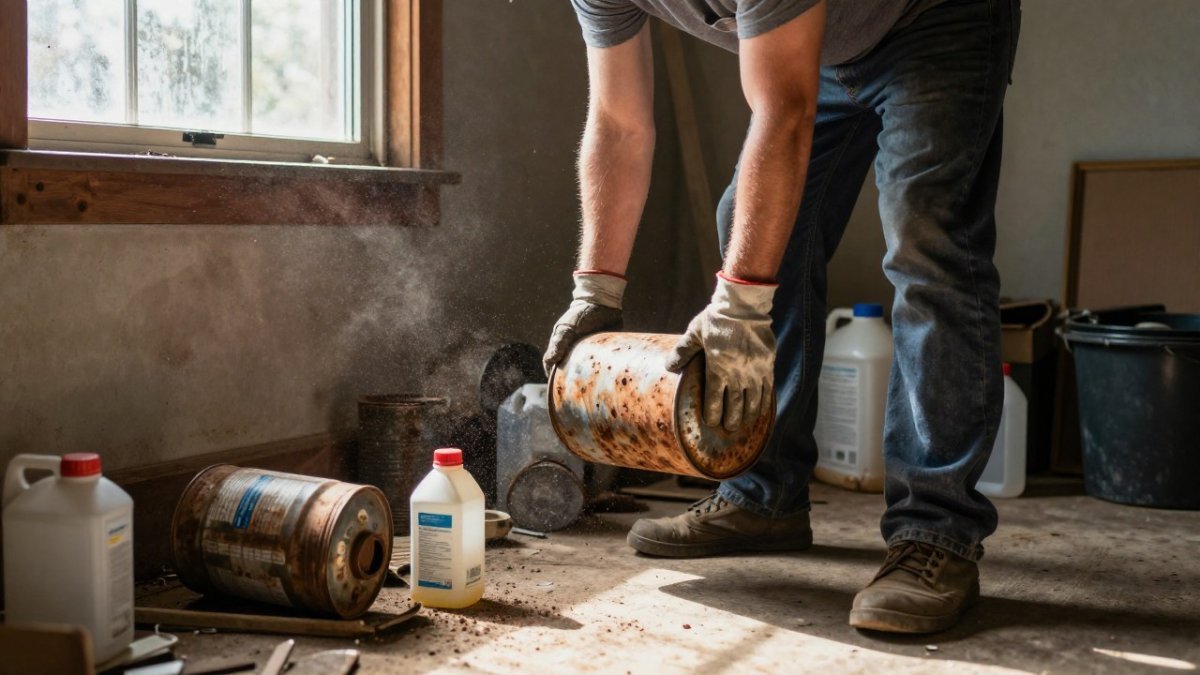
- Hazardous materials, paint, solvents, pesticides, batteries, propane tanks, and sharps. These require household hazardous waste collection or a licensed handler, not curbside trash. Never mix them into a general haul.
Do not enter rooms with visible mold, strong chemical odors, exposed sharps, or unstable piles without proper protection. When in doubt, let a professional crew assess first.
Disclosure duties still apply
Selling as-is does not erase disclosure. Sellers generally must disclose known defects, water intrusion, mold, pest damage, structural problems, and known hazards, even when the home is sold in its current condition. Disclosure rules, contract terms, and who is responsible for items left behind after closing vary by state and locality. Check your state’s seller disclosure form and your purchase contract, and put in writing whether leftover items convey with the property or must be removed before closing.
Safety and disposal for regulated materials
Some items in a hoarder house need more than routine junk removal:
- Chemicals and paint, take to a local household hazardous waste collection site or a licensed handler.
- Sharps and medical waste, use a sharps container or a medical-waste service; never place loose in trash.
- Batteries and electronics, recycle through an e-waste program; lithium batteries are a fire risk in hauling trucks.
Ask any provider directly whether they handle regulated materials and what documentation they provide. Confirm the scope of any regulated items in writing before booking so nothing is left behind on closing day.
House Cleanout Before Selling: Step-by-Step Checklist and Timeline
Plan your cleanout on a timeline so you do not rush.
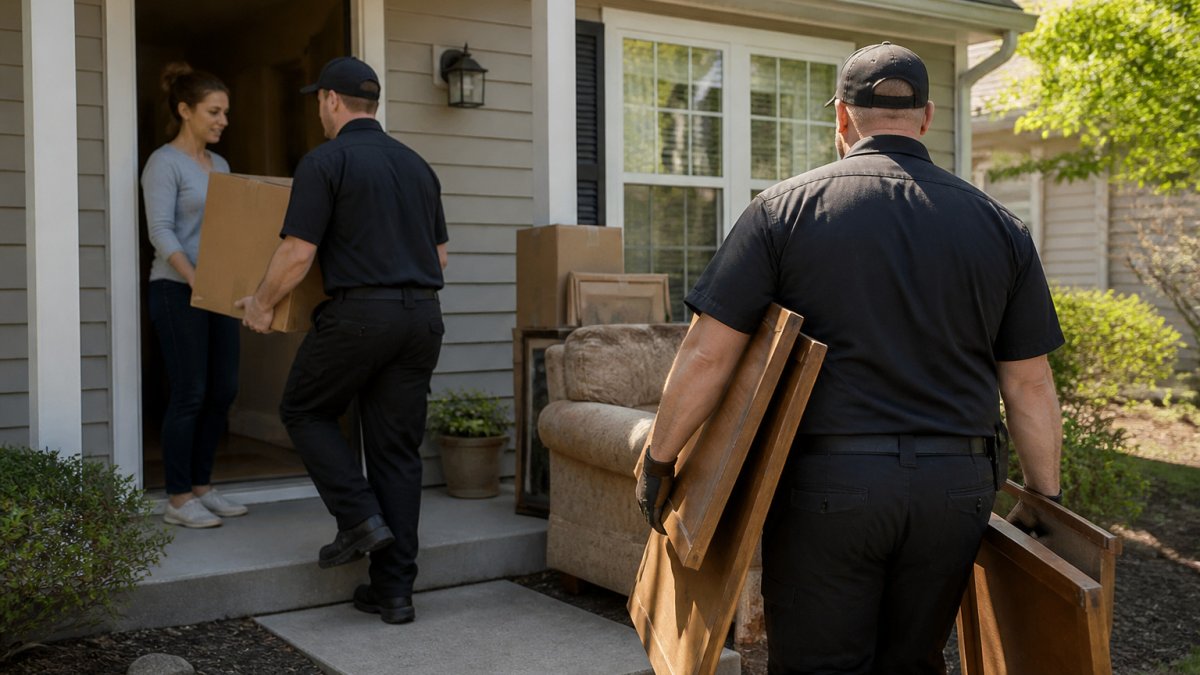
Weeks 4 to 3 before listing:
- Walk through every room and list what stays and what goes.
- Get at least three cleanout quotes.
- Set a donation pickup date.
Weeks 2 to 1 before listing:
- Remove furniture and boxes you will not keep.
- Haul away trash, debris and damaged items.
- Schedule any hazardous materials disposal.
Final week before listing:
- Do a final walkthrough with your agent or buyer.
- Confirm the home is safe, clear and accessible for showings.
Start early. Last-minute cleanouts cost more and leave less time to compare offers. For a full walkthrough of hiring junk removal for closing, read the seller’s guide to hiring junk removal.
The cleanout timeline breaks down into three phases, each with clear checkpoints.
| Timing | Task | Why it matters |
|---|---|---|
| 4 to 3 weeks before listing | Walk every room and list what stays and what goes | Sets the scope for accurate quotes |
| 4 to 3 weeks before listing | Get at least three cleanout quotes | Lets you compare pricing |
| 2 to 1 weeks before listing | Remove unwanted furniture and boxes | Clears the main volume |
| 2 to 1 weeks before listing | Haul away trash, debris and damaged items | Makes the home presentable |
| 2 to 1 weeks before listing | Schedule hazardous materials disposal | Regulated items need special handling |
| Final week before listing | Do a final walkthrough with your agent or buyer | Catches anything missed |
| Final week before listing | Confirm the home is safe and accessible for showings | Keeps showings smooth |
Booking Your Junk Removal Before You List Your Home
Once you know your plan, book the cleanout before you list. Hoosier Junk Daddy is locally owned and operated, and offers same-day service when possible, along with full cleanup afterward.
Hoosier Junk Daddy also recycles, reuses or donates up to 60% of hauled items, so less ends up in the landfill.
Request a free on-site estimate to see your cleanout cost before you list.
To start, book residential junk removal and get your home ready for buyers.
Frequently Asked Questions
Can you sell a house with furniture and belongings still inside?
Yes, you can list a home with furniture and belongings inside, though buyers generally need to see the rooms clearly to judge the property. Many sellers choose to clear the main living areas, kitchen, bathrooms and any space buyers will walk through, while leaving behind items they do not want to move. Be clear in your listing and with buyers about what stays and what goes. Keeping a clean path through each room and disclosing any known defects helps prevent disputes before closing. Pricing should reflect the home’s condition, since a cluttered property usually draws fewer offers than a presentable one.
How much does it cost to clean out a house before selling?
Cleanout costs depend on the volume of items, how many rooms are affected, the type of material, and whether hazardous items need special disposal. Hoosier Junk Daddy’s pricing depends on quantity, dates, and delivery, and free on-site estimates are available to give you an exact quote for your property. Compare the cleanout cost against the potential difference in sale price and the time saved by selling as-is. Ask any cash buyer for a written offer so you can calculate your net proceeds after repairs and cleanout expenses.
How long does it take to clear out a house before selling?
A small cleanout of a single room or garage can often be finished in a few hours, while a full-house cleanout, especially after a long-term occupancy or estate situation, can take several days. Start with a walkthrough to estimate volume, then schedule removal, donation pickup and any hazardous disposal in sequence. Build in extra time before your listing date for cleaning, minor repairs and photography. Same-day service is available when possible, but booking early gives you more scheduling flexibility.
Do you have to remove junk before selling a house?
Whether you must remove junk before selling depends on your contract and local rules, so check with your agent or attorney. The property must be sold in the condition you disclose. Clutter can make buyers and appraisers less able to evaluate the home, which can reduce offers or lead buyers to walk away. Hazardous materials such as paint, solvents or old electronics should be handled through proper disposal channels rather than left in the home. Confirm your state and local disclosure requirements with your real estate agent or attorney before listing.