Table of Contents
- Full Service Junk Removal Pricing at a Glance
- What Is Included in Full Service Junk Removal
- Factors Affecting Trash Hauling Costs
- How to Use a Junk Removal Cost Estimator
- Item-Specific Surcharges Most Quotes Miss
- DIY Disposal vs Professional Hauling: A Cost-Benefit Breakdown
- How Sustainability and Recycling Affect Your Final Price
- Frequently Asked Questions
Last Updated: September 11, 2026
Full Service Junk Removal Pricing at a Glance
Full service junk removal pricing is a volume-based fee covering labor, hauling, disposal, and cleanup, one transparent charge instead of coordinating dumpsters, permits, and landfill trips yourself. This guide from Hoosier Junk Daddy breaks down what drives that number.
Two crews can quote the same pile of garage clutter and land on different totals because of how they measure volume, what they charge for mattresses, and where they dump the load. Here’s how each line item gets calculated so you can compare estimates fairly.
What Is Included in Full Service Junk Removal
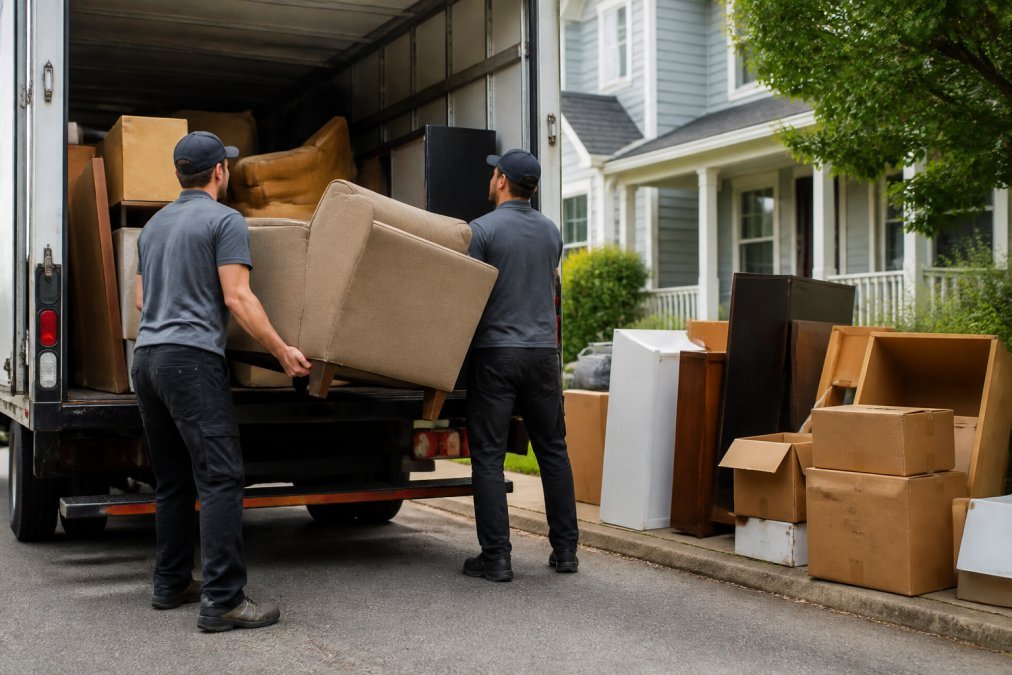
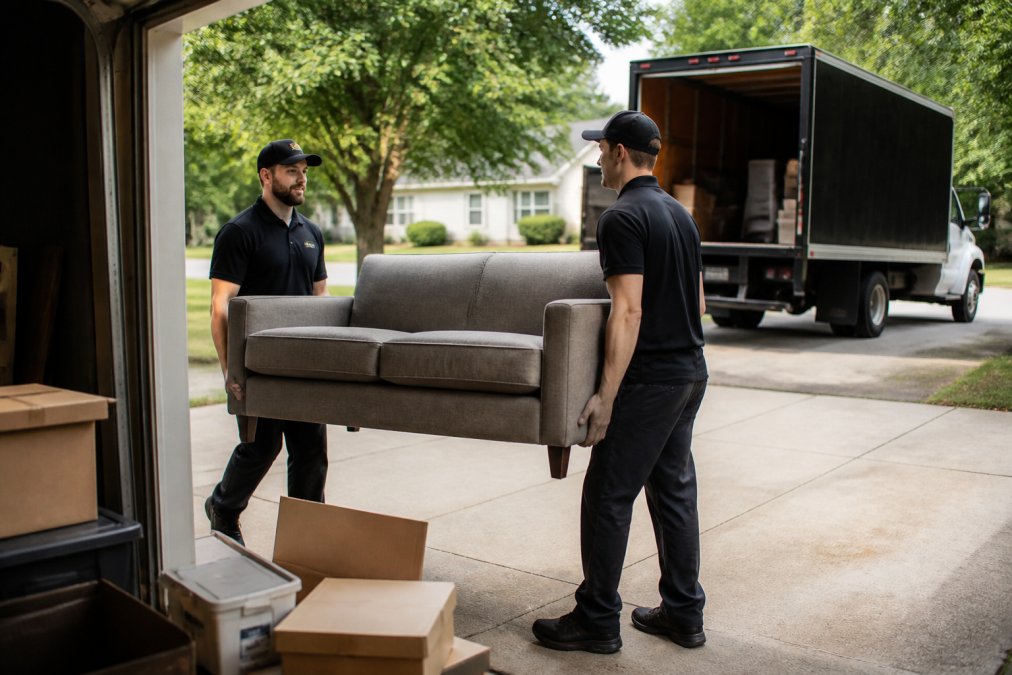
Full service junk removal bundles the entire job into one price: the crew lifts and carries everything out, loads it, hauls it away, and sweeps the space afterward.
A standard full-service visit typically covers:
- All lifting, carrying, and loading labor
- Truck, fuel, and transport to the disposal site
- Disposal, landfill, or tipping fees
- Recycling and donation drop-offs where items qualify
- Basic cleanup of the cleared area
- Free on-site estimate before any work begins
What it usually does not include: hazardous materials and specialty items that carry surcharges.
Ask whether the quoted price is all-in or “plus disposal.” A quote that excludes tipping fees can climb once the truck hits the scale, and that gap is where most billing surprises happen.
Factors Affecting Trash Hauling Costs
Load size drives the majority of any junk removal quote. Most providers price by volume, measured in cubic yards of truck space your items occupy.
The main factors affecting trash hauling costs:
- Volume: how much space the load takes, not how much it weighs
- Weight-based fees: heavy debris like concrete or dirt can trigger per-ton charges
- Labor: stairs, tight hallways, and long carries add time and cost
- Item type: appliances, electronics, and mattresses often carry surcharges
- Access: a curbside pile costs less than a third-floor walk-up
- Timing: same-day and weekend requests can cost more than scheduled weekday jobs
A minimum load charge applies to small jobs, and distance to the disposal facility plus local tipping fees also feed the total.
How to Use a Junk Removal Cost Estimator
A junk removal cost estimator converts your pile into a rough price range before anyone shows up: describe what you have, and the tool maps it to truck volume.
Here’s how to get a useful number:
- Walk the space and list every item you want gone
- Group items by size: small, medium, large, bulky
- Estimate how much of a truck bed your pile would fill
- Note anything heavy, hazardous, or oversized
- Enter it into the estimator and compare against a free on-site quote
Online tools are directional, not final. The only figure that counts is a no-obligation quote after someone sees the load in person.
| Load Size | Truck Space Used | Typical Contents |
|---|---|---|
| Minimum load | Single item or small pile | One sofa, a few boxes |
| Quarter load | About 25% of the bed | Small room cleanout |
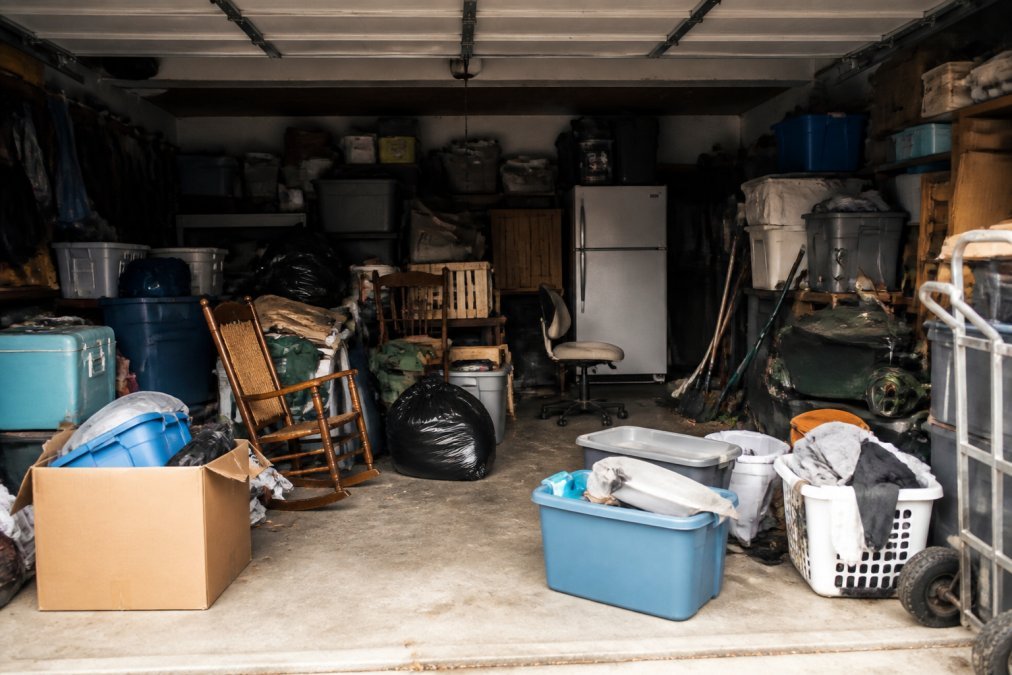
| Half load | About 50% of the bed | Garage or basement declutter |
| Full truckload | Entire bed | Whole-home or estate cleanout |
Guessing your load as “half a truck” when it’s really three-quarters is the most common reason a final invoice beats the estimate. Send photos or request the on-site visit before you commit.
Item-Specific Surcharges Most Quotes Miss
Certain items cost more to dispose of than their size suggests, and those surcharges rarely appear in an advertised base rate. A pile that looks like a quarter load can price like a half load once a mattress, a fridge, and four tires are in it.
Here is how the most common “difficult” items are actually priced, and why:
| Item | Typical Surcharge Structure | Why It Costs More |
|---|---|---|
| Mattress or box spring | Flat fee per piece | Bulky, low-density, and banned from many landfill compactors; often requires separate bulk handling or recycling |
| Refrigerator or freezer | Flat fee per unit | Refrigerant must be recovered by a certified technician before the shell can be scrapped (the EPA) |
| Air conditioner or dehumidifier | Flat fee per unit | Same refrigerant recovery requirement as refrigerators |
| Television or monitor | Flat fee per unit | E-waste rules in many states bar CRT and flat-panel screens from standard landfill disposal (the EPA) |
| Tires | Per-tire fee | Most facilities charge by the tire; whole tires are difficult to compact and often regulated separately |
| Paint, solvents, motor oil | Not accepted, or hazmat fee | Classified as household hazardous waste; requires a dedicated drop-off, not standard hauling (the EPA) |
| Propane tanks | Not accepted unless purged | Residual gas makes them unsafe to compact or shred |
| Concrete, dirt, brick, asphalt | Per-ton fee | Far heavier per cubic foot than household clutter, so weight, not volume, drives the price |
| Piano, safe, hot tub | Flat specialty fee | Requires extra labor, rigging, or cutting; sometimes needs more than one crew member |
How to read these fees on a quote. A flat per-item surcharge is added on top of the volume price, not instead of it. Ask the provider to itemize surcharges separately from the volume charge so you can see what each difficult item adds.
How to reduce or avoid them.
- Mattresses: Some retailers and mattress-recycling programs accept them free or at low cost during a purchase or drop-off event.
- Appliances: Many utilities and municipal programs offer rebates for refrigerator and freezer recycling, which can offset or exceed the hauling surcharge.
- E-waste: Best Buy, Staples, and many municipal transfer stations accept televisions and monitors, often free or for a small handling fee.
- Tires: Tire retailers frequently accept old tires for a per-tire fee that is lower than a general hauler’s surcharge.
- Hazardous materials: Your county or city household hazardous waste facility is usually the only legal disposal path, and it is typically free for residents.
- Heavy debris: If you have a large volume of concrete or dirt, a dedicated debris box or aggregate hauler is often cheaper per ton than a general junk removal truck.
Before you book, send the provider a photo of every difficult item, mattress, fridge, TV, tires, piano, and ask for the surcharge for each one in writing. A quote that lists only a volume price is not a complete quote.
What proof you should get. For appliances and e-waste, ask for a recycling receipt or confirmation that refrigerant was recovered and the unit went to a certified processor. For donations, ask which charity received the items and whether you’ll get a tax-usable donation receipt.
DIY Disposal vs Professional Hauling: A Cost-Benefit Breakdown
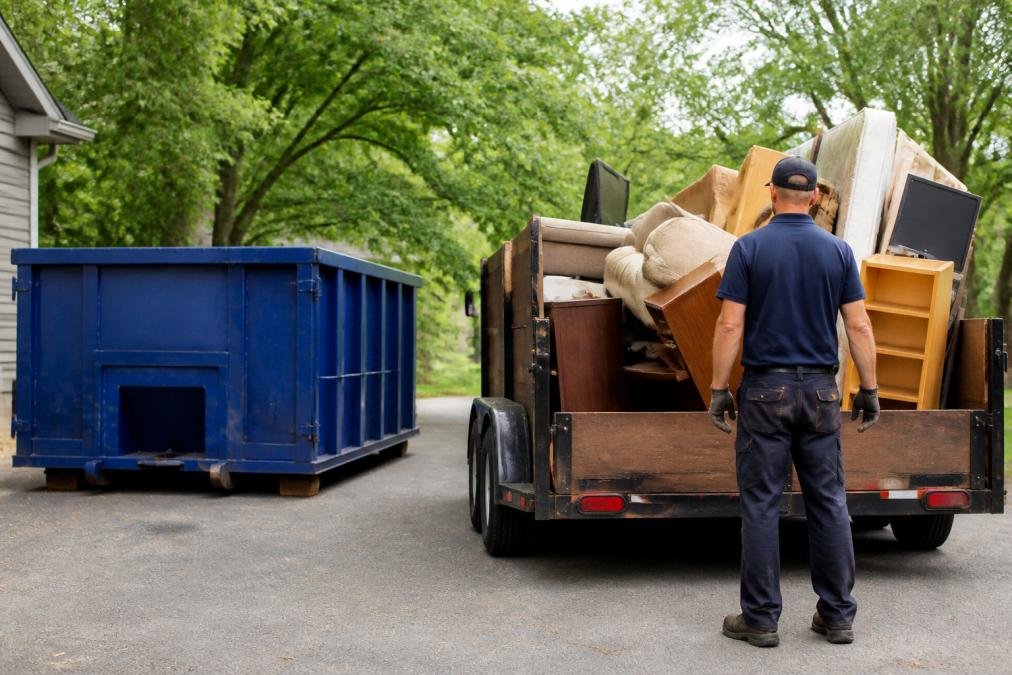
The DIY route looks cheaper on paper because the only visible cost is the dump fee. The real comparison includes fuel, vehicle wear, equipment rental, multiple trips, and your time, and once those are added, the gap narrows fast for anything beyond a small, light load.
The hidden costs of DIY disposal.
- Landfill or transfer station tipping fees. Most facilities charge by weight with a minimum per trip, so a small load often costs more per pound than a full truck.
- Fuel and mileage. A round trip to the nearest transfer station can be 20-60 miles, and two or three trips multiply that.
- Vehicle wear and tear. Loading heavy debris into a personal truck or trailer damages beds, suspension, and tires. Rental trucks often prohibit certain loads or charge cleaning fees.
- Equipment rental. If you do not own a truck or trailer, a rental can run $50-$150 per day before fuel and insurance.
- Your time. Loading, driving, waiting at the scale, unloading, and driving back is typically a half-day per trip for a moderate load.
- Restrictions. Many facilities refuse mattresses, tires, appliances with refrigerant, e-waste, and yard waste separately. You may need two or three different drop-off locations in one day.
- Injury and liability risk. Lifting sofas, appliances, and concrete is a leading source of household back and hand injuries.
When DIY actually wins.
DIY wins when the load is small and light, you already own a truck or trailer, your local facility accepts every item, and your time is genuinely free that day, then it can cost less than a professional minimum load charge.
When professional hauling wins.
Professional hauling wins when the load is large or heavy, stairs or tight access are involved, the items include mattresses, appliances, tires, or e-waste, you need it gone on a deadline, or you’d have to rent a vehicle and make multiple trips.
| Cost Factor | DIY Disposal | Professional Hauling |
|---|---|---|
| Upfront cash | Lower for small loads | Single all-in charge |
| Tipping / disposal fees | Paid per trip at the scale | Included |
| Fuel and mileage | Paid per trip | Included |
| Vehicle or trailer rental | $50-$150+ per day if needed | Not required |
| Your time | Half-day to full day per trip | None |
| Multiple drop-off locations | Often required for mixed loads | Handled by one crew |
| Recycling and donation | You arrange and transport | Handled by crew |
| Injury risk | Moderate to high for heavy items | Carried by the crew |
| Best for | Small, light, single-location loads | Large, heavy, mixed, or urgent jobs |
A simple decision rule. If your load fits in a pickup in one trip, contains no restricted items, and you own the vehicle, DIY is usually cheaper. If it needs two trips, includes any surcharge item, or requires a rental, professional hauling is usually the same price or less once your time is counted.
Property managers and real estate professionals on a closing timeline, where a single scheduled haul beats coordinating multiple dump runs and the all-in price is easier to bill back to a client.
Compare DIY and professional hauling on total cost, not sticker price. Add tipping fees, fuel, rental, and your time to the DIY side before you decide, for anything beyond a small, light load, the professional all-in charge is often the cheaper and faster option.
How Sustainability and Recycling Affect Your Final Price
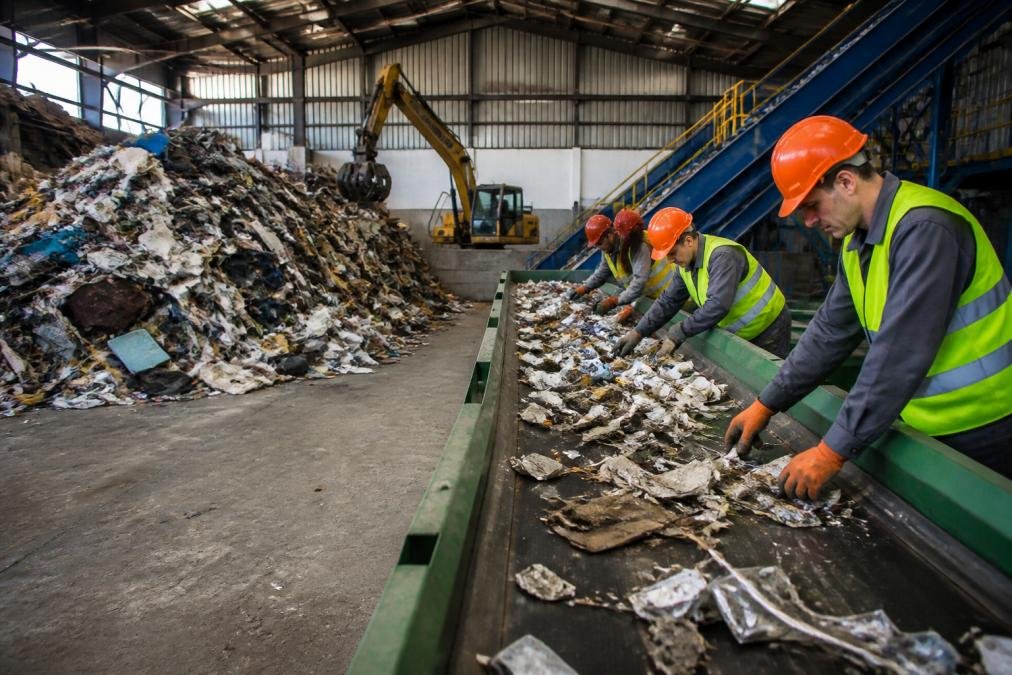
Responsible disposal can lower your cost, because donation and recycling often avoid landfill tipping fees. Hoosier Junk Daddy diverts up to 60% of hauled items from landfills through recycling, reuse, and donation.
How this shows up in your price:
- Donation of usable furniture and household goods avoids disposal fees
- Appliance recycling recovers metal and refrigerant instead of burying it
- E-waste goes to certified processors rather than the landfill
- Metal and cardboard recycling offsets weight-based disposal charges
An environmental fee, sometimes called a fuel or recycling surcharge, appears on some invoices to cover processing and transport. It’s legitimate, but it should be disclosed before the job, not added after.
Frequently Asked Questions
What is the average price for full service junk removal?
There is no single national average because full service junk removal pricing depends on load volume, item type, and local disposal fees. A single item like a mattress costs far less than a full garage cleanout. Most providers quote based on how much space your items take up in the truck, plus any surcharges for appliances, e-waste, or hazardous materials. Request a free on-site estimate for an exact number.
Does junk removal pricing include labor and disposal fees?
With a true full service provider, yes. The quote typically bundles labor, loading, transportation, and landfill tipping fees into one price. This is what separates full service junk removal from renting a dumpster, where you handle the loading yourself and pay separately for the dumpster, permits, and any overage fees. Always confirm the quote covers disposal before you book.
How do junk removal companies calculate volume-based pricing?
Volume-based pricing measures how much space your items occupy in the truck, usually in cubic yards. A single item might take up an eighth of a truck, while a full garage cleanout could fill it entirely. The provider estimates the fraction of the truck your load will fill, then applies a tiered rate. This is why an accurate on-site estimate matters more than a phone quote.
Is hiring a full service junk removal company worth the cost?
For most homeowners, yes, once you factor in the real cost of DIY disposal. Renting a truck, paying landfill tipping fees, buying permits, and spending a full weekend hauling often costs more than a professional quote once you value your time. Full service providers also divert recyclable and donatable items from landfills, which many DIY trips cannot match.
Junk removal quotes vary wildly because the inputs vary wildly, and that uncertainty is what stalls most cleanouts. Hoosier Junk Daddy removes the guesswork with transparent pricing, free on-site estimates, and full-service removal that includes cleanup afterward. With eco-friendly disposal that diverts up to 60% of hauled items from landfills, we handle the heavy lifting so you don’t have to. Get started with Hoosier Junk Daddy and reclaim your space with a quote you can trust.