Table of Contents
- Why Buyers Judge a Home by Its Yard First
- Key Benefits of Clearing Your Yard Before Listing
- What to Remove From a Yard Before Selling
- Yard Cleanup Checklist for Selling a House
- Cost of Yard Cleanup Before Listing
- Landscaping Before Selling a Home: What Is Worth Doing
- When Clearing a Yard Can Hurt More Than Help
- Booking Your Yard Cleanup With Hoosier Junk Daddy
- Frequently Asked Questions
Why Buyers Judge a Home by Its Yard First
Last Updated: November 15, 2026
Buyers form their first opinion from the curb, often before they ever step inside. Clearing your yard before listing is one of the simplest ways to make that first impression work for you, since a tidy yard signals a home that has been cared for. A cluttered side yard or a pile of old lumber can make a clean house feel neglected.
The National Association of REALTORS® reports that 92% of REALTORS® have suggested sellers improve curb appeal before listing (National Association of REALTORS®, Remodeling Impact Report: Outdoor Features). That advice is not about luxury landscaping. It is about showing buyers a home that looks cared for.
Clearing yard space is not automatically a good idea, though. Virginia Cooperative Extension guidance on land clearing and erosion warns that removing vegetation can carry real ecological costs, especially erosion. The goal is a tidy, usable yard, not a bare lot.
Key Benefits of Clearing Your Yard Before Listing
Clearing the yard helps in a few practical ways:
- Better first impressions. Buyers see a maintained property from the street.
- Easier showings. Clear paths and open lawns let buyers picture the space.
- Fewer objections. Visible junk raises questions about what else needs work.
- Clearer listing photos. Clean outdoor shots draw more attention online.
What to Remove From a Yard Before Selling
Start with items that signal neglect or get in the way:
- Old furniture, mattresses, and appliances left outside
- Broken fencing, pallets, and scrap lumber
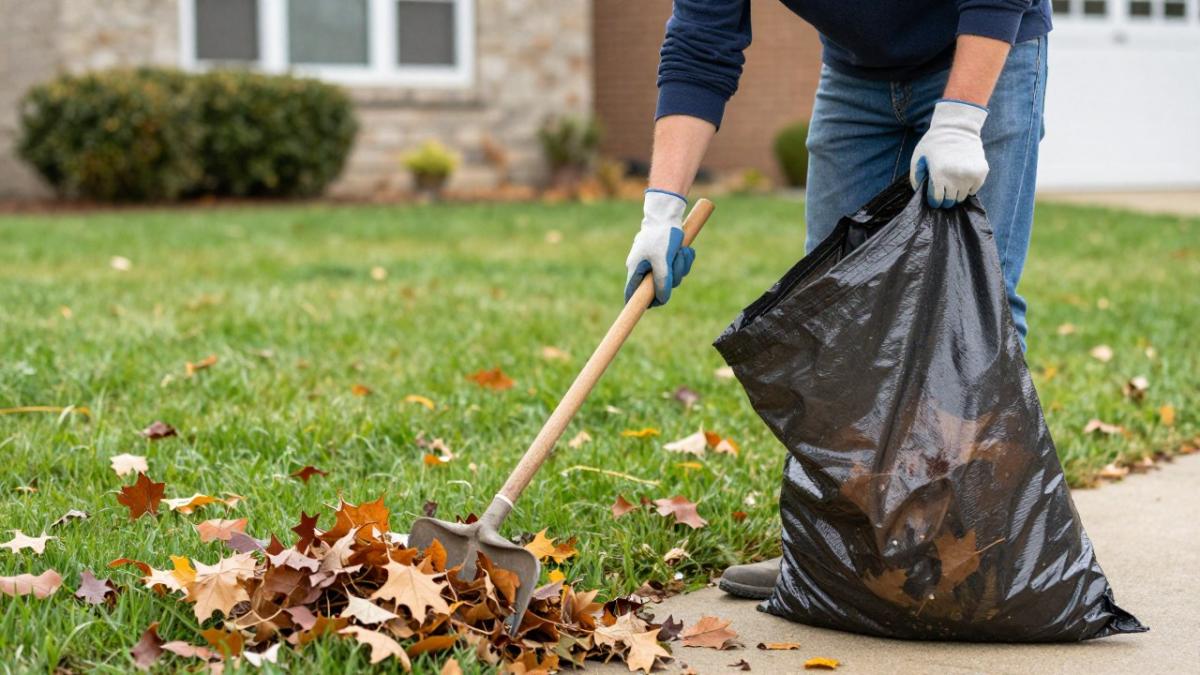
- Piles of branches, leaves, and yard waste
- Abandoned vehicles, tires, and rusted metal
- Overgrown brush along walkways and the driveway
Keep anything that is part of a working landscape, such as healthy shrubs, mature trees, or a usable garden bed. The aim is to remove clutter, not everything green.
Yard Cleanup Checklist for Selling a House
Work through the yard in this order:
- Walk the property as a buyer would, starting at the street.
- Remove debris, trash, and large items first.
- Trim overgrown shrubs and edges along walkways and the driveway.
- Clear weeds from beds and cut the lawn.
- Check that paths to the front door, side gate, and garage are open.
- Bag or haul away all yard waste the same week.
- Walk the yard once more and photograph it from the sidewalk.
!Homeowner raking leaves and bagging yard debris on a front lawn
Cost of Yard Cleanup Before Listing
Sellers consistently ask the same question: what will this cost, and what do I get back? The honest answer is that yard cleanup is one of the few pre-listing projects where the return is mostly indirect, you are not adding a feature, you are removing a reason for buyers to discount the home. That makes it worth pricing project by project rather than as one lump sum.
A useful way to think about it is to separate work you can do in a weekend from work that needs equipment, hauling, or a crew. The table below reflects common patterns in the residential market; actual quotes vary with yard size, access, debris volume, and local disposal fees.
| Project | Typical DIY cost | Typical professional cost | Effort | Priority |
|---|---|---|---|---|
| Mowing, edging, and trimming | Under $50 in fuel and bags | $50-$150 per visit | Low | High, visible from the street |
| Weeding and refreshing beds with mulch | $30-$100 in mulch and tools | $150-$400 | Low to moderate | High, cheap visual lift |
| Bagging and hauling light yard waste | $10-$40 in bags, plus curbside pickup | $75-$250 | Moderate | High, clears clutter fast |
| Removing brush, branches, and scrap lumber | $0-$50 if you own tools | $150-$500 | Moderate to high | High, signals neglect |
| Hauling large items (furniture, appliances, tires) | $0-$75 if you have a truck and dump access | $100-$500+ | High | High, buyers read junk as deferred maintenance |
| Pruning overgrown shrubs and low limbs | $0-$75 in hand tools | $100-$400 | Moderate | Medium, improves sightlines |
| Tree removal | Rarely advisable as DIY | $500-$2,000+ per tree | Very high | Low unless the tree is dead, hazardous, or blocking access |
| Grading, stump grinding, or major lot clearing | Not realistic as DIY | $1,000-$5,000+ | Very high | Low before listing unless required for safety or access |
Watch out: disposal fees are the hidden line item. Yard waste, tires, appliances, and treated lumber often carry separate charges at transfer stations, and some municipalities limit curbside volume, so a “free” DIY haul can cost more than expected once you factor in trips and fees.
A practical way to decide is to set a cleanup budget as a small percentage of your expected sale price and spend it in order of visibility. If a project will not appear in the listing photos or the buyer’s first walk-through, it probably belongs on the “after closing” list instead. Hoosier Junk Daddy offers free junk removal estimates in Indiana so you can compare a professional haul against your own time and disposal costs before committing.
Landscaping Before Selling a Home: What Is Worth Doing
Not every landscaping project pays off before a sale. Focus on work that is visible and inexpensive:
- Mowing, edging, and trimming overgrown beds
- Adding fresh mulch to bare spots
- Pressure washing walkways and steps
- Repairing obvious damage, such as a broken gate
Major projects, like new plantings or large hardscaping, rarely pay back in a short sales window. Spend your time and money on what buyers see first.
When Clearing a Yard Can Hurt More Than Help
More clearing is not automatically better. The sellers who get into trouble are usually the ones who treat a yard like a blank slate right before listing. Before you cut, grade, or haul, run through the checks below, each one has cost real sellers money or delayed a closing.
Erosion and drainage. Vegetation, especially on slopes, holds soil and slows runoff. Strip a hillside bare and the next heavy rain can carve rills, silt a driveway, or push water toward the foundation. Buyers and inspectors notice fresh erosion, and fixing it after the fact is far more expensive than leaving the slope alone. If a slope is already eroding, stabilize it rather than clearing further.
Shade, privacy, and mature landscaping. A large shade tree can be a selling point, not a liability. Mature plantings screen neighbors, soften the roofline in photos, and lower summer cooling costs. Removing them to “open up” a lot can make a property feel exposed and can reduce perceived value. Keep healthy, well-placed trees and shrubs; target the overgrown, dead, or misplaced ones.
Protected trees and local rules. Many jurisdictions regulate removal of certain species or trees above a size threshold, and some require a permit or replacement planting. Rules vary by city, county, and homeowners association, so confirm requirements with your local planning or code office before any chainsaw work. Removing a protected tree without approval can trigger fines or a stop-work order mid-listing.
Utility lines and underground services. Before digging out stumps or roots, call 811, the national call-before-you-dig service, to have underground utilities marked (811 Before You Dig). Roots near sewer lines, gas lines, and buried electrical are a common and expensive source of damage. Overhead lines near tree work are a safety hazard that belongs to a licensed arborist, not a weekend project.
Habitat and buyer preferences. Not every buyer wants a manicured lot. Some actively seek mature trees, native plantings, and wildlife-friendly yards. Clearing everything can narrow your buyer pool in neighborhoods where lot character is part of the appeal.
Over-improvement. Spending heavily on new plantings, hardscaping, or irrigation right before listing rarely returns its cost in a short window. Buyers may also prefer to choose their own landscaping. Cleanup and repair usually outperform new installation.
Watch out: dead or hazardous trees are the exception to the “leave it alone” rule. A tree that is clearly dying, leaning over the house, or dropping limbs is a safety and insurance issue that buyers will flag, so have it assessed by a certified arborist and document the removal.
A simple rule of thumb: remove what is dead, damaged, hazardous, or blocking access; keep what is healthy, functional, and attractive; and pause on anything that changes the grade, the tree canopy, or the drainage pattern until you have checked the rules and, if needed, talked to your county extension office.
Booking Your Yard Cleanup With Hoosier Junk Daddy
If you have a closing date coming up, you do not have to haul everything yourself. Hoosier Junk Daddy is a locally owned, full-service junk removal company serving Indianapolis and surrounding areas. We handle the heavy lifting, sort what can be recycled or donated, and can offer same-day service when possible. We recycle, reuse, or donate up to 60% of hauled items.
Request a free estimate and we will tell you what the job involves before any work begins. Call us or fill out the form, and we will help you get your yard ready for buyers.
Frequently Asked Questions
What should you remove from your yard before selling your home?
Start with anything that makes the property look neglected: dead shrubs, overgrown brush, weeds in beds and along walkways, fallen branches, leftover yard waste, old lawn equipment, and piles of stored items. Buyers and their agents often walk the perimeter during showings, so clear the front walk, side yards, and the area visible from the street first. Removing debris also improves visibility for listing photos and helps buyers see the lot’s usable space. Pay attention to drainage areas and gutters that spill onto the lawn, since standing water and erosion stand out to inspectors. Focus on visible, low-cost fixes before considering major tree work or lot clearing.
Does clearing the yard really help a home sell?
Clearing and tidying a yard helps with first impressions, and real estate professionals routinely recommend it. Curb appeal does not guarantee a higher price, but a well-kept yard helps buyers picture themselves living in the home and can reduce the number of buyers who screen out a property before viewing it. Results depend on the market, the home, and the condition of the rest of the property.
Is it worth clearing land before selling a property?
It depends on the property. For a landscaped home yard, routine cleanup, weeding, trimming, and debris removal are usually worth the time and modest cost. Clearing large areas of vacant land or removing mature trees is a different decision. Extensive clearing can cause erosion and ecological damage, and it may require permits or run into protected trees and utility easements. Before removing significant vegetation, check local ordinances and consider whether buyers are likely to value open lot space or the trees themselves.
How much does yard cleanup cost before listing?
Costs vary with the size of the yard, the amount of debris, and whether you do the work yourself or hire help. Pricing depends on quantity, access, and disposal needs, so the most reliable approach is to get a quote for your specific property. Hoosier Junk Daddy offers free on-site estimates and transparent pricing for removal of yard debris and other items. Visit the company’s website or call for a current quote before scheduling work.