Table of Contents
- The Journey From Your Curb to Final Disposal
- Inside the Junk Removal Recycling Process
- How to Donate Unwanted Furniture and Other Reusable Items
- Hazardous Waste Disposal Regulations You Should Know
- Landfill vs. Waste-to-Energy: Where Junk Ends Up
- The Cost-Benefit of Recycling vs. Landfilling
- How You Can Improve Your Own Waste Diversion
- Frequently Asked Questions
Last Updated: September 16, 2026
The Journey From Your Curb to Final Disposal
Most people set a bag on the curb and never think about it again. That bag starts a journey through collection routes, transfer stations, and sorting facilities that determines whether your junk gets recycled, donated, burned for energy, or buried in a landfill. Understanding what happens to junk after pickup matters because the choices made in those first few hours shape the environmental outcome of everything you throw away.
At Hoosier Junk Daddy, we have hauled junk across Indianapolis for nearly five years, and we have watched how much material gets diverted from landfills when the process is handled correctly. According to the EPA’s municipal solid waste data, Americans generate hundreds of millions of tons of municipal solid waste each year, and a significant portion could have been recycled or donated instead.
What Happens During the Collection Route
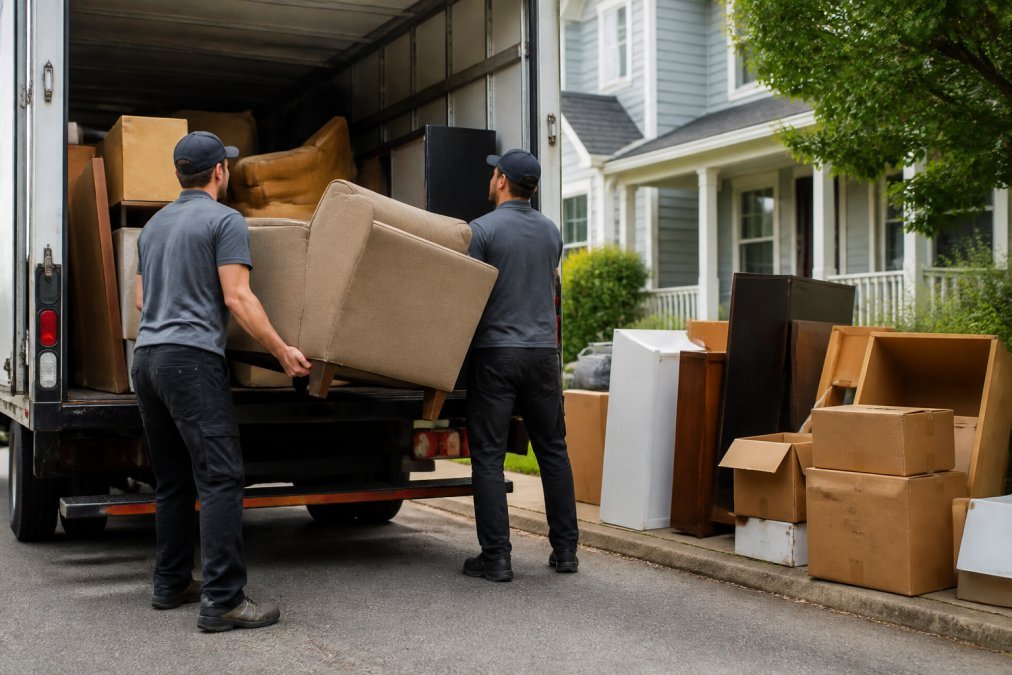
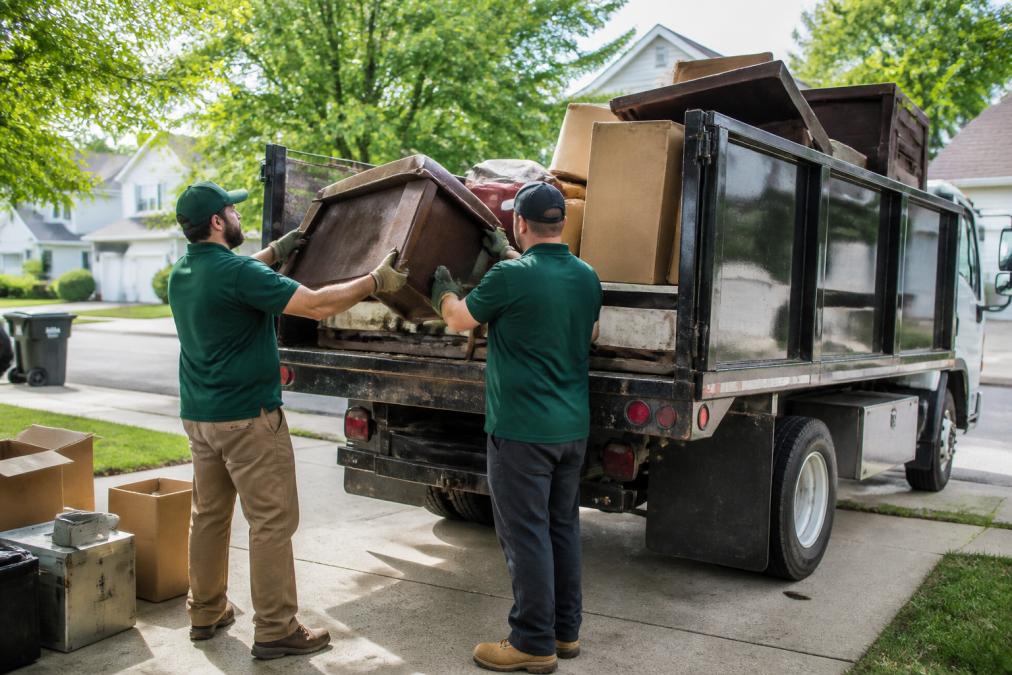
A collection route is the first stage of the disposal chain. Trucks follow predetermined paths through neighborhoods and commercial districts, picking up everything from household trash to bulk items like mattresses and appliances.
Drivers sort nothing at this stage. Everything goes into the same truck, which is why pre-sorting at the source matters so much. Once a truck compacts mixed waste, separating recyclables becomes far harder.
Inside the Junk Removal Recycling Process
The junk removal recycling process begins the moment a truck leaves your property. Reputable haulers do not drive straight to a landfill. They stop at a transfer station or material recovery facility first, where loads get weighed, inspected, and sorted.
This is the step most people never see, and it is where the real environmental impact gets decided. It is also where the economics of recycling quietly override good intentions.
Sorting Technology and the Material Recovery Facility
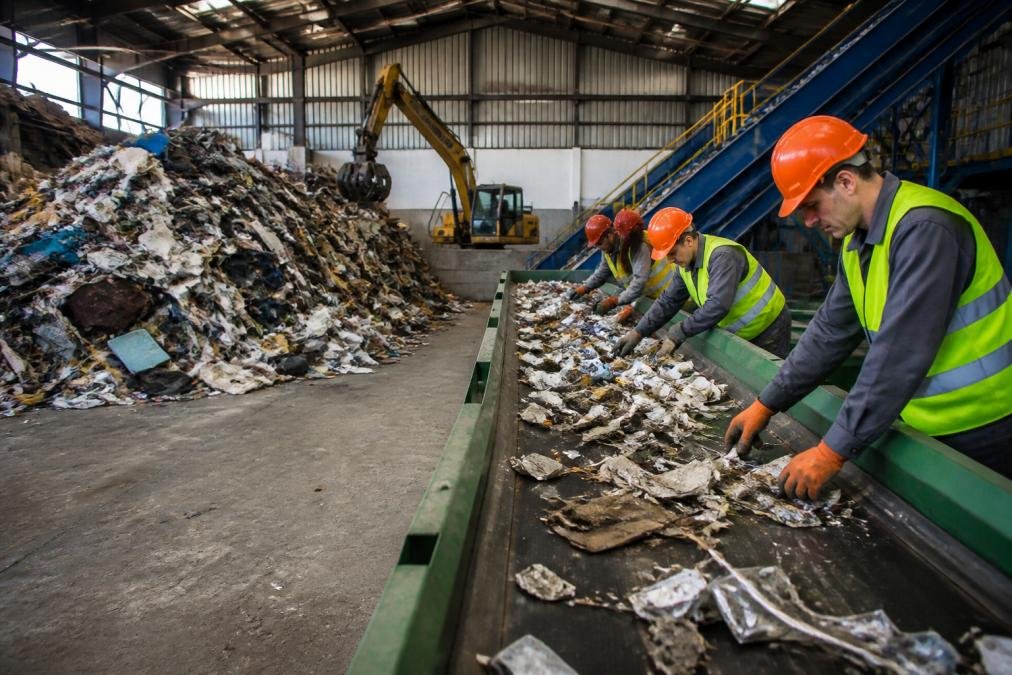
A material recovery facility is a specialized plant that separates recyclable materials from mixed waste using conveyors, magnets, screens, and optical sorters.
Here is how the sorting process typically works:
- Trucks dump their loads onto a tipping floor
- Front-end loaders push material onto conveyor belts
- Magnet systems pull out scrap metal and steel
- Eddy current separators kick out aluminum
- Optical sorters identify plastics by resin type
- Air classifiers separate light materials like paper from heavier debris
- Hand sorters remove remaining contaminants and e-waste
What most guides miss is that contamination is the biggest enemy of recycling. A single greasy pizza box can ruin an entire bale of cardboard. That is why consumer responsibility starts long before pickup day.
Why Some Items Get Recycled and Others Get Landfilled
The sorting line does not make the final call, the commodity market does. A material recovery facility is a business, and it only bales what a mill will actually buy. When the price of mixed paper drops, that paper gets routed to a landfill or a waste-to-energy plant instead, even though it arrived on the recycling line.
A few practical patterns drive that decision:
- Metals almost always get recovered because scrap steel and aluminum hold steady value and are easy to separate with magnets and eddy currents.
- Corrugated cardboard is the workhorse of most recycling programs because it has a reliable end market and is simple to bale.
- Glass is often crushed and used as road base or landfill cover rather than remelted, because transporting heavy, low-value cullet rarely pays.
- Mixed plastics are the hardest sell. Resin codes 1 and 2 (PET and HDPE) have buyers; codes 3 through 7 frequently do not, so they often end up as residue.
That residue, the material left after sorting, is the number that matters. A well-run facility tries to keep residue low, but a contaminated or poorly pre-sorted load can send a large share of its volume straight to disposal.
Recycling is not a moral switch you flip at the curb. It is a market transaction. The cleaner and more separated your material is, the more likely a buyer exists for it.
What Happens to the Residue
After the last sorter, the leftover material, film plastic, broken glass, textiles, and anything too contaminated to sell, is consolidated and sent to a landfill or a waste-to-energy facility. This is why the phrase “recycled” on a hauler’s website deserves a follow-up question: ask what percentage of a load is diverted versus what becomes residue. A hauler that cannot answer is probably not sorting at all.
How to Donate Unwanted Furniture and Other Reusable Items
Knowing how to donate unwanted furniture keeps usable items out of the waste stream entirely. Donation screening happens before anything reaches a landfill, and it is the highest-value form of waste diversion because it extends a product’s life without any reprocessing.
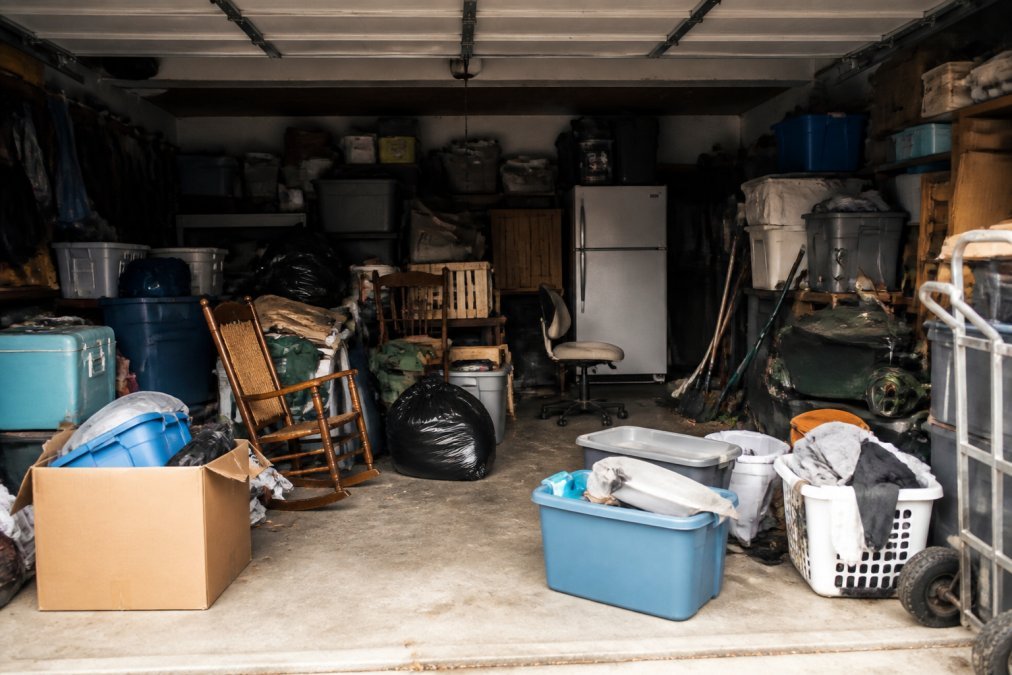
Good candidates for donation include:
- Solid wood furniture in working condition
- Appliances that still function
- Clothing, bedding, and towels
- Books, kitchenware, and tools
- Bicycles and sporting equipment
Most charities will not accept stained mattresses, broken electronics, or items with missing parts.
Photograph items before donating. Some charities provide a receipt for tax purposes, and a dated photo helps document the condition of what you gave away.
Hazardous Waste Disposal Regulations You Should Know
Hazardous waste disposal regulations exist because certain materials cannot go into a standard landfill. Paint cans, motor oil, batteries, pesticides, and old electronics contain chemicals that leach into groundwater if buried improperly.
Landfill vs. Waste-to-Energy: Where Junk Ends Up
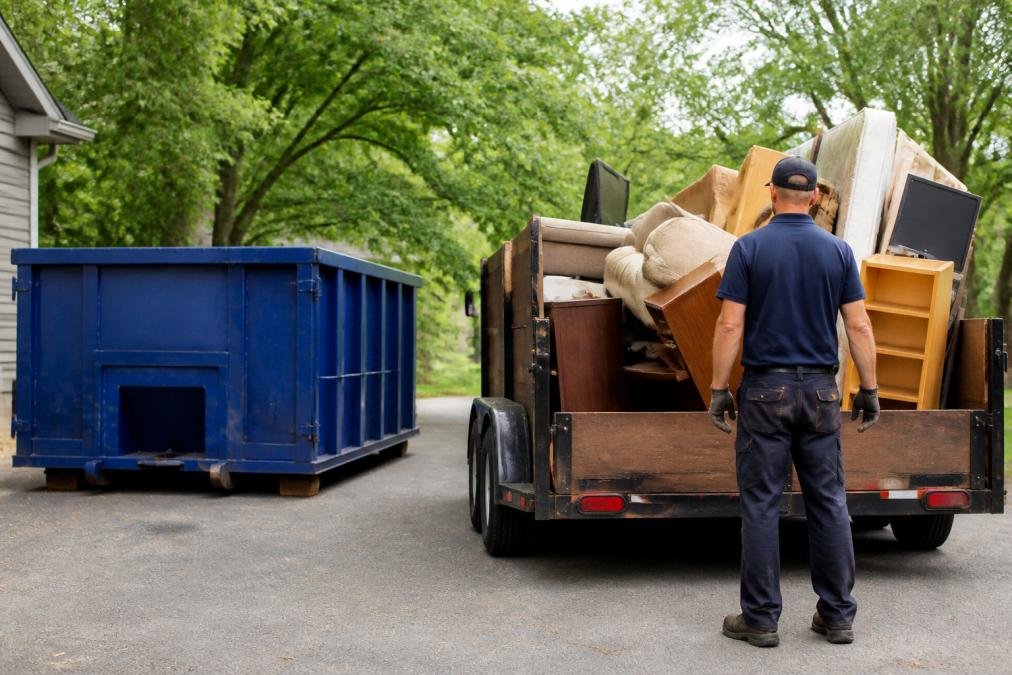
Junk that cannot be recycled or donated ends up in one of two places: a landfill or a waste-to-energy facility. Landfills bury waste in lined cells and capture methane as landfill gas, while waste-to-energy plants burn refuse to generate electricity and reduce volume by roughly 90%.
| Destination | What Happens | Best For |
|---|---|---|
| Landfill | Waste buried in lined cells, methane captured | Non-recyclable, non-combustible debris |
| Waste-to-energy | Waste burned to generate electricity | Combustible waste with no recycling value |
| Material recovery facility | Recyclables sorted and sold as commodities | Paper, plastic, metal, glass |
| Donation center | Items resold or given to those in need | Furniture, clothing, working appliances |
The Environmental Lifecycle Behind Each Option
Most articles stop at “landfills bury, incinerators burn.” The real difference shows up when you follow the carbon and the chemistry.
Why Location and Infrastructure Decide More Than Preference
You do not get to choose your disposal method, your region does. Communities with a waste-to-energy plant nearby often route combustible trash there because hauling distance is short and the plant needs steady fuel. Communities without one rely on landfills, sometimes hundreds of miles away, which adds transportation emissions to the equation.
“Zero waste” and “100% diversion” claims are marketing, not physics. Every disposal method produces some residue, some emissions, and some land use. The honest question is which one your area actually uses and how well it is run.
Where Recycling Fits in the Lifecycle
Recycling sits above both options in the lifecycle hierarchy because it avoids the energy of making new material from raw inputs. Recycling aluminum saves roughly 95% of the energy needed to produce virgin aluminum, and steel and cardboard show similar savings. That is why the sorting step covered earlier matters so much: every item that clears the recycling line is one less item generating methane in a landfill or emissions at a combustor.
EPA’s guide to sustainable materials management
The Cost-Benefit of Recycling vs. Landfilling
The economics of disposal rarely favor recycling on a pure dollar basis. Landfilling is often cheaper upfront because tipping fees at a landfill tend to be lower than the processing costs at a sorting facility. Recycling only pays off when commodity markets are strong enough to offset labor and equipment costs.
Haulers that advertise “recycling” without a sorting facility are often just dumping mixed loads. Ask any provider where their material actually goes before you book.
How You Can Improve Your Own Waste Diversion
Improving waste diversion starts with pre-sorting at home. Separate recyclables, hazardous materials, and donations before the truck arrives. Rinse containers, flatten cardboard, and keep batteries out of curbside bins.
A practical checklist for pickup day:
- Bag recyclables separately from trash
- Set hazardous items aside for a designated drop-off
- Schedule donation pickups for usable furniture
- Break down large items so they fit in the truck
- Confirm with your hauler where the load is going
Frequently Asked Questions
What happens to garbage after the truck picks it up?
After pickup, junk is taken to a transfer station or directly to a material recovery facility. There, it is sorted into recycling streams, donation candidates, and landfill-bound waste. Items like scrap metal and e-waste go to specialized processors. Organic waste may head to composting or waste-to-energy plants. The final destination depends on the material type, local infrastructure, and the hauler’s waste diversion practices.
How do junk removal companies decide what to recycle versus landfill?
Reputable companies sort items at a transfer station or material recovery facility. They pull out recyclables like cardboard, metals, and clean plastics. Usable furniture and appliances go to donation screening. Hazardous waste is set aside for regulated disposal. What remains goes to a landfill or waste-to-energy facility. Hoosier Junk Daddy diverts up to 60% of hauled items from landfills through recycling, reuse, and donation.
What items are prohibited from standard junk removal pickups?
Most junk removal companies cannot accept hazardous waste such as paint, solvents, motor oil, batteries, and pesticides through standard pickups. These items fall under hazardous waste disposal regulations and require special handling. Some companies offer separate hazardous waste collection for an additional fee. Always ask your provider what they can and cannot take before scheduling a pickup to avoid surprises.
What is the environmental impact of responsible junk disposal?
Responsible disposal reduces landfill methane emissions, conserves raw materials, and lowers the carbon footprint of manufacturing. Recycling aluminum saves about 95% of the energy needed to make new aluminum. Donating furniture keeps usable items in circulation and supports local charities. When you choose a provider that prioritizes waste diversion, you directly reduce the volume of debris sent to landfills and support a more circular economy.